Cloud-Based Storage: The Future of Data Management
In today’s digital economy, the ability to store and access data securely and efficiently is essential for every business and individual. Cloud-based storage solutions have replaced traditional on-premises hardware with scalable, flexible, and affordable alternatives. By hosting files, applications, and databases in the cloud, organizations eliminate the limitations of physical infrastructure and gain the agility needed to thrive in competitive markets. As 2025 unfolds, cloud-based storage is not just an i…
What Is Cloud-Based Storage?
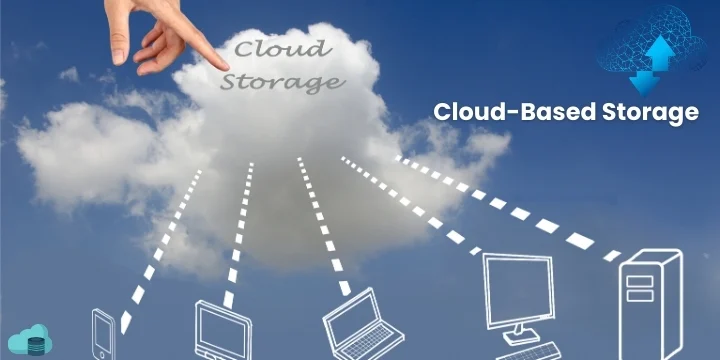
Cloud-based storage refers to the practice of saving data on remote servers hosted by third-party providers and accessible over the internet. Unlike traditional storage systems that require expensive hardware and IT management, cloud-based storage offers virtually unlimited capacity on demand. Users can upload, share, and retrieve data anytime, from any device, making it the preferred solution for both enterprises and individuals.
Advantages of Cloud-Based Storage
1. Scalability
With cloud storage, businesses can expand or reduce capacity instantly. This elasticity ensures they can handle seasonal demand, sudden growth, or large projects without investing in new hardware. From startups storing gigabytes to enterprises managing petabytes, scalability is a defining advantage.
2. Cost Savings
Traditional storage requires large upfront investments in hardware, maintenance, and staff. Cloud-based storage eliminates these costs with subscription or pay-as-you-go pricing. Organizations only pay for the space they use, making storage expenses predictable and manageable. Affordable cloud backup services provide additional protection without straining IT budgets.
3. Security and Compliance
Leading providers implement multi-layered security measures such as encryption, identity and access management (IAM), and zero-trust frameworks. Compliance with regulations like HIPAA, GDPR, and PCI DSS ensures data is protected and audit-ready. Cloud-based storage also provides automatic backups and redundancy, protecting against data loss caused by cyberattacks or hardware failures.
4. Accessibility and Collaboration
Cloud storage enables global collaboration. Teams in different regions can access the same files in real time, edit documents simultaneously, and track version history. Tools like Google Drive, Microsoft OneDrive, and Dropbox Business have redefined remote work and enterprise productivity.
Popular Use Cases of Cloud-Based Storage
- Backup and Disaster Recovery: Secure backups ensure quick recovery after ransomware attacks, natural disasters, or system crashes.
- Content Distribution: Media companies use cloud storage to stream videos, music, and images to millions of users worldwide.
- Big Data and Analytics: Enterprises store massive datasets in the cloud for AI-driven insights and predictive modeling.
- Archiving: Cloud-based storage provides affordable solutions for regulatory and historical data archiving.
- Enterprise File Sharing: Businesses use cloud platforms to share large files securely without email or physical drives.
Top Cloud-Based Storage Providers in 2025
- Amazon Web Services (AWS S3): Offers unmatched scalability, durability, and integrations.
- Google Cloud Storage: Known for advanced analytics and AI integration.
- Microsoft Azure Blob Storage & OneDrive: Perfect for hybrid and enterprise use cases.
- Dropbox Business: Leading platform for team collaboration and file sharing.
- Backblaze B2: Affordable option with transparent pricing, ideal for backups.
Emerging Trends in Cloud-Based Storage
1. AI and Automation
Artificial intelligence is increasingly used to classify data, optimize storage tiers, and predict future capacity needs. Automation ensures efficient use of resources and reduces manual workload for IT teams.
2. Zero-Trust Security Models
Providers are adopting zero-trust frameworks where no user or device is trusted by default. Continuous verification and monitoring strengthen defenses against insider and external threats.
3. Decentralized Cloud Storage
Platforms like Storj and Filecoin use blockchain to create decentralized storage networks, enhancing privacy and reducing reliance on major providers. This trend is especially appealing to organizations seeking more control over their data.
4. Green and Sustainable Storage
Data centers consume massive amounts of energy. Cloud providers are investing in renewable energy and carbon-neutral operations to make storage more sustainable, appealing to eco-conscious businesses and consumers.
Best Practices for Cloud-Based Storage Adoption
- Encrypt Sensitive Data: Always encrypt files before uploading them to the cloud.
- Use Role-Based Access Controls: Ensure only authorized users can access or modify sensitive information.
- Monitor Storage Costs: Track usage and optimize with archival tiers to avoid unexpected bills.
- Adopt Multi-Cloud Strategies: Spread workloads across multiple providers to improve resilience and reduce vendor lock-in.
- Test Backup and Recovery Plans: Regularly simulate outages to confirm data can be restored quickly.
Why Businesses Choose Cloud-Based Storage
Organizations invest in cloud-based storage to remain agile, competitive, and secure. Customers expect instant access to services, and employees demand seamless collaboration tools. Cloud storage delivers on both fronts, enabling businesses to scale globally while protecting mission-critical data. For small businesses, it removes infrastructure barriers. For enterprises, it offers a cost-efficient way to manage massive volumes of data with compliance and security built in.
Conclusion
Cloud-based storage is no longer optional—it is essential. With benefits like scalability, affordability, security, and accessibility, it empowers businesses to innovate and collaborate without limits. As trends like AI, decentralized storage, and zero-trust frameworks evolve, cloud-based storage will only grow in importance. Companies that embrace these solutions now will enjoy lower costs, stronger security, and a competitive advantage in the digital-first future.
Tip: To maximize performance, pair cloud-based storage with advanced disaster recovery and compliance tools. This ensures data remains accessible, affordable, and secure under all conditions.